

The Shack of LA8OKA
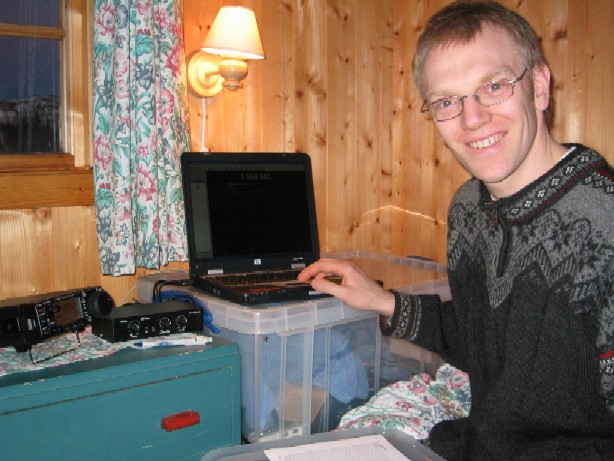
CQ WW 160 m Contest February 2005.
LA8OKA Martin portable from the cottage in Hallingdal working 160 m with my
IC-703 and microKEYER.
The antenna used on this occasion was a random wire between two trees tuned
with my AT-120 tuner.
Below is a brief presentation of my radio equipment.
TRANSCEIVERS
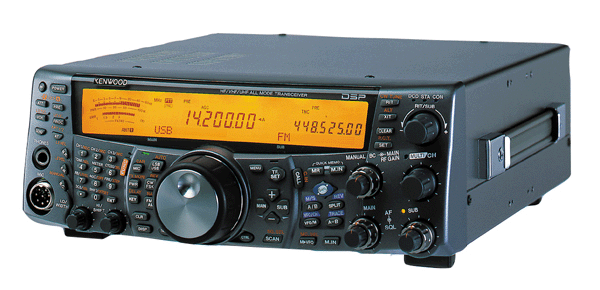
KENWOOD TS-2000X HF/VHF/UHF
All Mode Multi Band Transceiver
Main transceiver:Modes:
|
RX |
TX |
30 kHz - 60 MHz
|
1705 - 30 000 kHz (100 W)
|
|
Sub receiver:Modes:
|
118 - 174 MHz
|
|
Memory channels: |
300 alphanumeric |
|
This is my base station, I use this transceiver for 6 m, 2 m, 70 cm and 23 cm SSB activity. The TS-2000X has IF DSP, a 2 m/70 cm sub receiver and can be completely controlled by computer.Check out this site for more information about the
KENWOOD TS-2000X: |
||
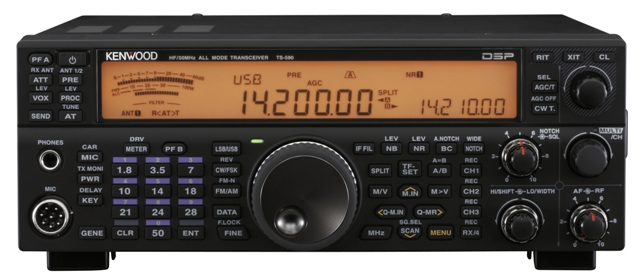
KENWOOD TS-590 HF/50
MHz
All Mode Transceiver
Modes: |
RX |
TX |
LSB, USB
|
30 kHz - 60 MHz |
1.8 MHz - 60 MHz |
Memory channels: |
120 |
|
This is my main base station. It offers high performance at a very reasonable price.Check out this site for more
information about the KENWOOD TS-590: |
||
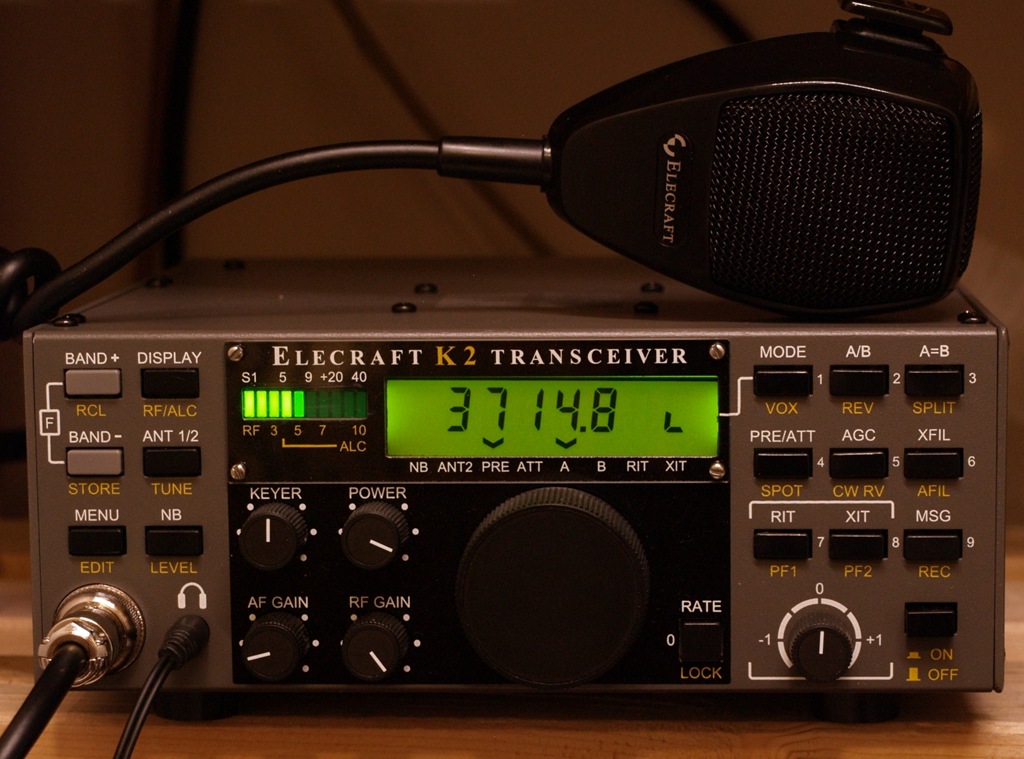
ELECRAFT K2 HF
SSB/CW Transceiver
Modes: |
RX |
TX |
LSB, USB
|
160 m - 10 m |
160 m - 10 m |
Memory channels: |
10 |
|
This is a transceiver that I have built my self. Currently it is fitted with the SSB module, the antenna tuner module and the 160 m module.Check out this site for more
information about the Elecraft K2: |
||
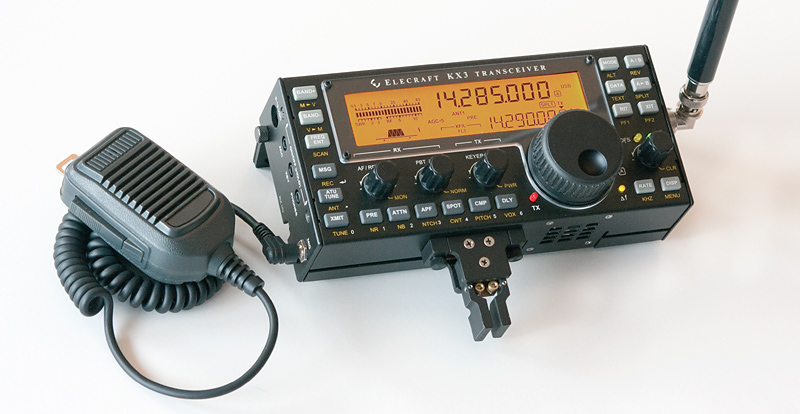
ELECRAFT KX3 HF/50
MHz
All Mode Transceiver
Modes: |
RX |
TX |
LSB, USB
|
160 m - 6 m |
160 m - 6 m |
Memory channels: |
100 |
|
This is the transceiver that I prefer when operating portable due to it's performance and small size.Check out this site for more
information about the Elecraft KX3: |
||
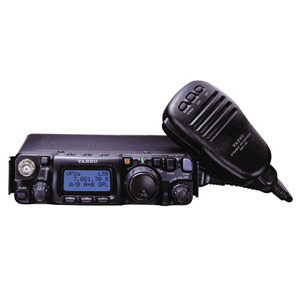
YAESU FT-817 HF/VHF/UHF
All Mode Multi Band Low Power Transceiver
Modes: |
RX |
TX |
LSB, USB
|
100 kHz -
30 MHz
|
160 m - 70 cm amateur radio bands. |
Memory channels: |
200 |
|
This is a very handy portable rig, which I have had a lot of fun with.Check out this site for more information about the
YEASU FT-817: |
||
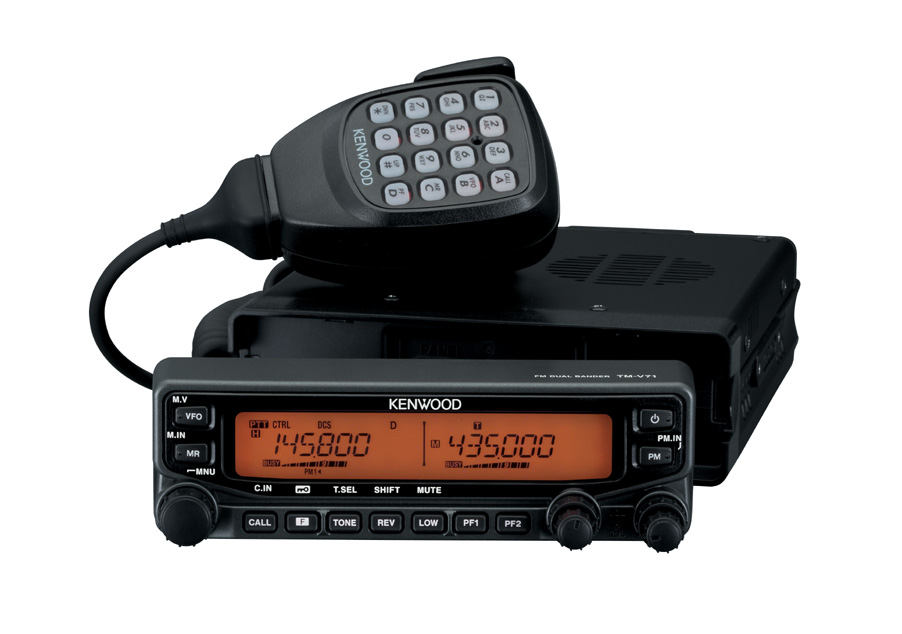
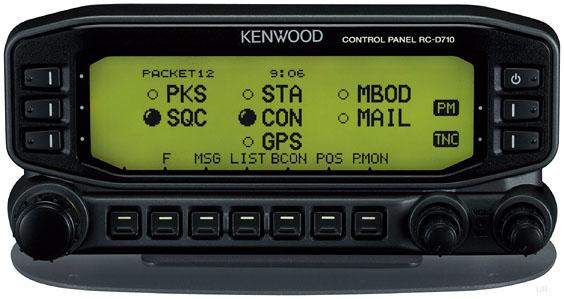
KENWOOD TM-V71 FM Dual Bander
KENWOOD RC-D710 Control Panel with TNC and APRS
Modes: |
RX |
TX |
FM, NFM, AM |
118 - 524 MHz, 800 - 1300 MHz |
136 - 174 MHz, 400 - 470 MHz |
Memory channels: |
1000 |
|
I use this transceiver for most of the stuff I do on 2 m and 70 cm FM, APRS, EchoLink, IRLP, repeater and FM simplex of course and just about everything else you may think of that's possible to do with this rig.Check out this site for more information about the
KENWOOD TM-V71: Check out this site for more information about the
KENWOOD RC-D710: |
||
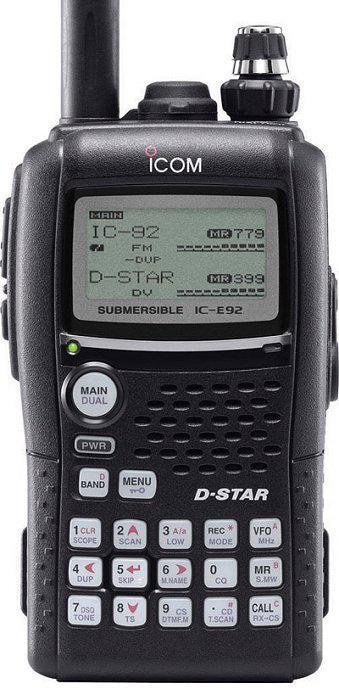
ICOM IC-E92D FM/D-STAR Dual Bander
Modes: |
RX |
TX |
WFM, FM, NFM, AM and D-STAR (DV) |
0.495 - 999.990 MHz (A-band)
|
144 - 146 MHz, 430 - 440 MHz |
Memory channels: |
1304 |
|
I bought this transceiver to explore D-STAR, the new digital voice/data mode.Check out this site for more information about the
ICOM IC-E92D: |
||
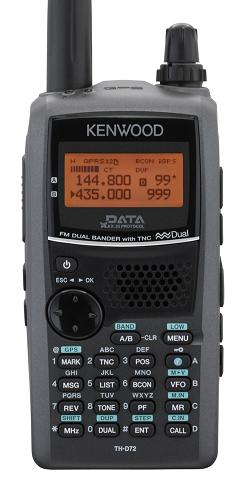
KENWOOD TH-D72 FM Dual Bander
Modes: |
RX |
TX |
WFM, FM, NFM, AM and D-STAR (DV) |
136 - 174 MHz, 410 - 470 MHz (A-band)
|
136 -174 MHz, 410 - 470 MHz |
Memory channels: |
1000 |
|
This is my my newest handheld transceiver and it will probably become my favourite handheld as this transceiver have it all! It have dual band FM, APRS with built-in GPS, SkyCommand, Echolink memories and 1000 memory channels.Check out this site for more
information about the
Kenwood TH-D72: |
||
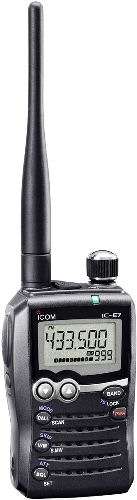
ICOM IC-E7 FM Dual Bander
Frequency coverage and mode: |
RX |
TX |
0.495 - 999.990 MHz AM, FM, WFM |
136 - 174 MHz FM 1.5 W
|
|
Memory channels: |
1252 (1000 regular, 2 call, 50 scan edges and 200 auto memory write ) |
|
This is the cutest little transceiver I have ever owned, even my wife loves this little fellow! (She don't care too much about hamradio, hi!)Check out this site for more
information about ICOM IC-E7 |
||
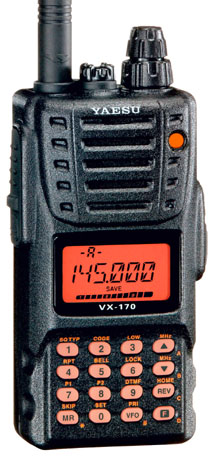
YAESU VX-170E FM 2 m Mono Bander
Frequency coverage and mode: |
RX |
TX |
136 - 174 MHz FM |
136 - 174 MHz FM 5 W |
|
Memory channels: |
200 |
|
This is very rugged 2 m transceiver. I mainly use this transceiver for my portable APRS digipeater station.Check out this site for more
information about YAESU VX-170E |
||
RECEIVERS
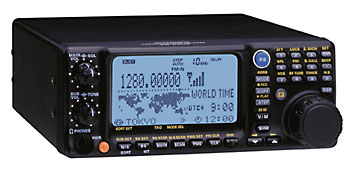
YAESU VR-5000 Communications Receiver
Frequency coverage: |
100 - 2600 MHz |
Modes: |
NFM, WFM
|
Memory channels: |
2000 |
This receiver is plain fun! It's very sensitive and have a wide frequency coverage, it's versatility and functionality makes it my first choice as a second receiver to go with the main rig.Check out this site for more information about the
YAESU VR-5000:
If you understand Norwegian, you can read my review of the
|
|
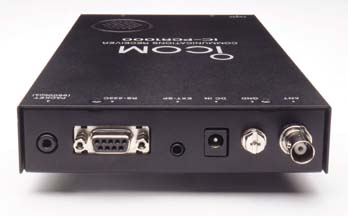
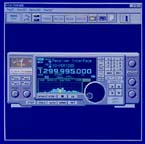
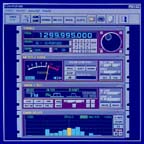
ICOM IC-PCR1000 Communications Receiver
Frequency coverage: |
10kHz -1300 MHz |
Modes: |
WFM, NFM, AM
|
Memory channels: |
1000 per memory files, number of memory files is only limited by the computer. |
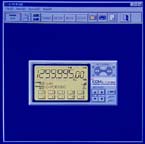
This is one of the computer controlled wide band all mode receivers I have. The receiver is very versatile and offers reasonable performance on HF (but not the same selectivity as the WiNRADiO WR-1550e) and works very well for reception of radio signals in the VHF and UHF range. The software is easy to work with, but lack the possibility for plug-ins. It is one of very few wideband receivers that have a 50 kHz IF-filter, and because of that I use this receiver for reception of weather satellite images.For more information about this receiver visit the
ICOM IC-PCR1000 page at
ICOM.
If you understand Norwegian, you can read my review of the
|
|
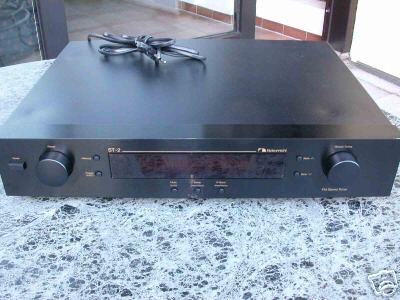
NAKAMICHI ST-2 FM Tuner
Frequency coverage: |
87,5 - 108 MHz |
Modes: |
WFM |
Memory channels: |
30 |
I use this FM tuner for FM DXing and for regular program listening. |
|
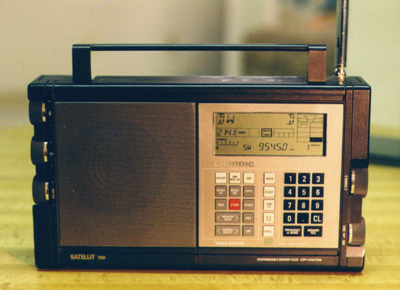
GRUNDIG SATELLIT 700 World Receiver
Frequency coverage and mode: |
150 - 353 kHz (AM, S-AM, LSB, USB)
|
Memory channels: |
256 alphanumeric memory channels with 8 frequencies each. A total of 2048 frequencies can be stored. |
This is one of the best portable world band receivers ever made, it have reasonably good performance on LW, MW, and SW. I use this receiver for casual listening and when I'm travelling and for FM-DXing. This receiver also have an excellent RDS decoder. I have also used this receiver for MW-DXing from time to time. |
|
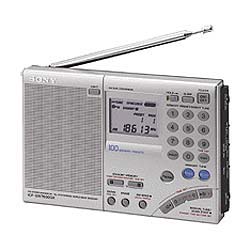
SONY ICF-SW7600GR World Band Receiver
Frequency coverage and mode: |
150 - 30 000 kHz (AM, S-AM, LSB, USB)
|
Memory channels: |
100 memory channels |
This is nice and handy portable world band receiver which I mainly use when I'm travelling. It have reasonably good performance on LW, MW, and SW, but it's not a DX-machine.Link to Radio Netherlands test of the SONY ICF-SW7600GR
If you understand Norwegian, you can read my review of the
|
|
ACCESSORIES
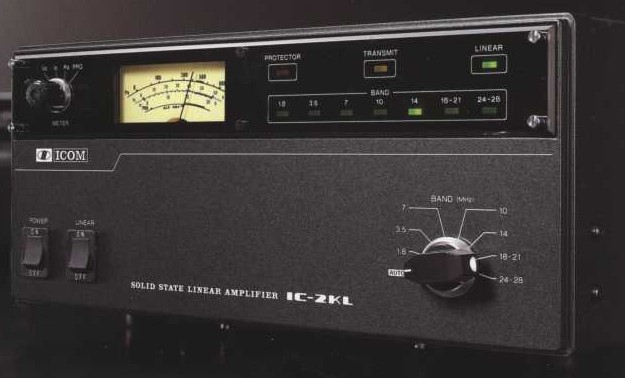
ICOM IC-2KL
ICOM IC-2KL is a 500 Watt Solid State Linear Amplifier who I use occasionally on HF when I need that little extra to get through in a Pile-Up. |
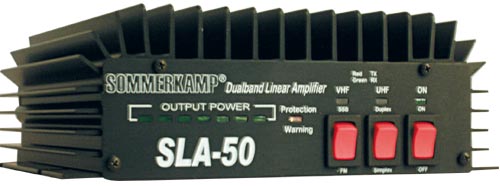
Sommerkamp SLA-50
Sommerkamp SLA-50 is a 50 Watt Solid State Linear Amplifier for 2 m and 70 cm which I use occasionally when I need that little extra to get through in a Pile-Up. |
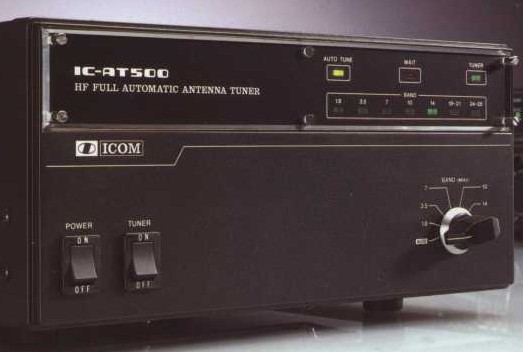
ICOM IC-AT500
ICOM IC-AT500 is a fully automatic antenna tuner. It have presets for all bands which makes tuning unnecessary and changing band is just a matter of seconds. The IC-AT500 can handle 500 Watts and I use it both when I'm running the IC-2KL. |
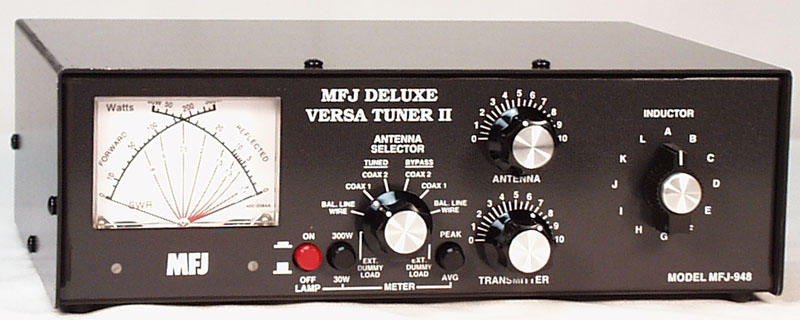
MFJ-948
The MFJ-948 is good versatile manual antenna tuner, it can match just about anything. |
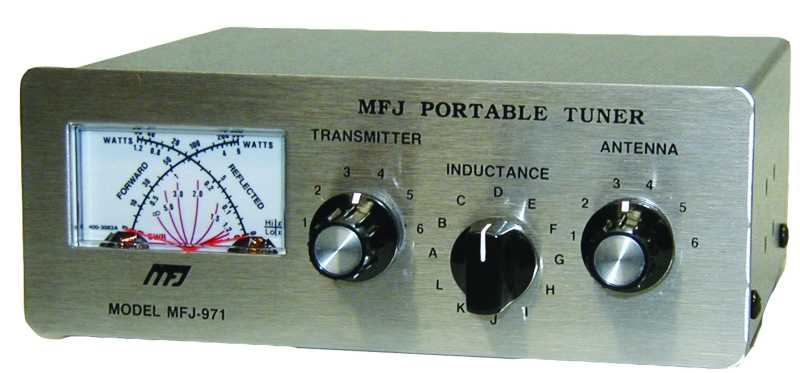
MFJ-971
The MFJ-971 is a manual antenna tuner, and is mostly used for portable operation. |
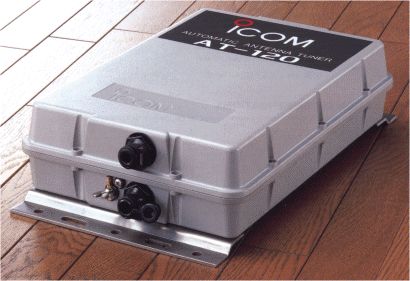
ICOM AT-120
ICOM AT-120 is a automatic tuner that can tune almost anything. I control this tuner from my KENWOOD TS-2000X via the LDG K-OTT interface. |
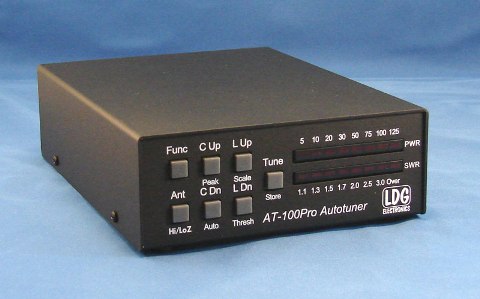
LDG AT-100Pro Auto Tuner
LDG AT-100Pro is a tuner which works great with any transceiver.Check out this site for more
information about the LDG AT-100Pro: |
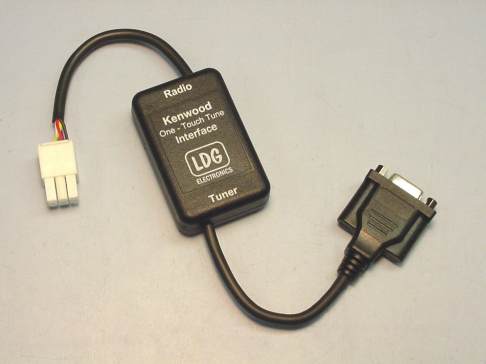
LDG K-OTT
LDG KENWOOD One-Touch Tune Interface is the little miracle matchbox that let me use my ICOM AT-120 and my LDG tuners with my KENWOOD TS-2000X and TS-590.Check out this site for more
information about the LDG K-OTT: |
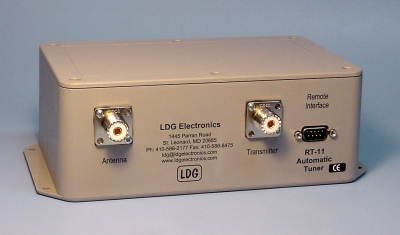
LDG RT-11 Remote Tuner
LDG RT-11 is a nice little tuner, which I bought as a Kit and built myself. I use my RT-11 mostly for mobile or field operations.Check out this site for more
information about the LDG RT-11: |
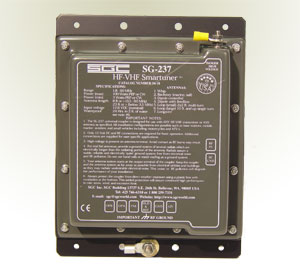
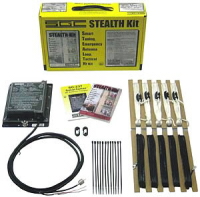
SGC SG-237 Smarttuner and the SGC Stealth Kit
The SGC SG-237 Smarttuner is even smaller than the LDG RT-11, and also much better. This tuner has become my new favourite tuner. No more fussing around with interface between the tuner and the transceiver, just apply 12 VDC and RF and it tunes the antenna.I bought this tuner with the SGS Stealth Kit which includes ropes and wire for making our own antenna on the go.Check out this sites for more
information about the SGC SG-237 and the SGC Stealth Kit: |
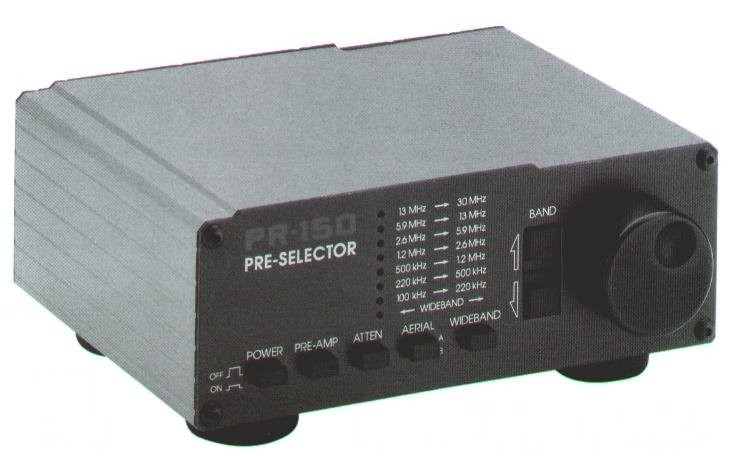
LOWE PR-150 Preselector
I bought this Preselector
primarily to
enhance the receiving capabilities on HF with my
|
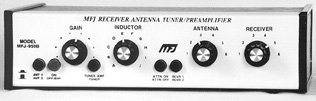
MFJ-959B Receiver Antenna Tuner with Preamplifier
This is a antenna tuner used for reception to enhance the received signal strength. |
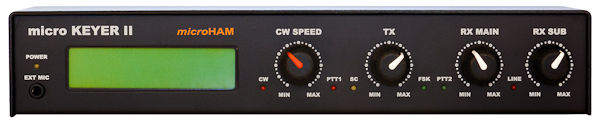
microHam microKEYER II
This is a combined USB rig control interface, a USB soundcard, a RTTY and CW keyer. It is probably the best interface there is around, and it can be configured for almost any kind of amateur radio transceiver.For more information see this link: http://www.microham.com/contents/en-us/d126_MKII.html |

microHam microKEYER
This is a combined USB rig control interface, a soundcard interface, a RTTY and CW keyer. It was probably the best interface there is around when it came, and it can be configured for almost any kind of amateur radio transceiver.For more information see this link: http://www.microham.com/mk.html |
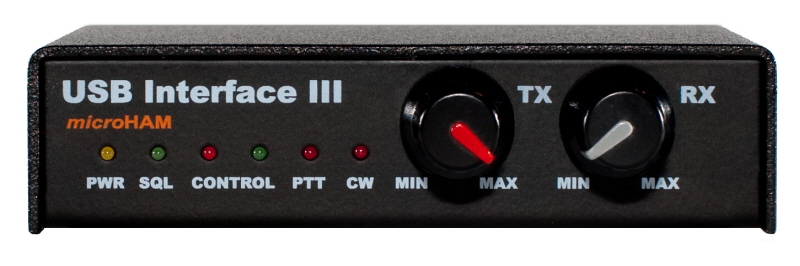
microHam USB Interface III
This is a combined USB rig control interface and a USB soundcard for use with all soundcard digimodes. I bought this because I wanted something smaller and lighter to go with my laptop without limiting my digimode capabilities.
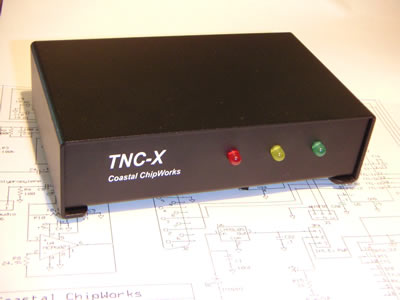
TNC-X Terminal Node Controller with X-Track APRS tracker and X-Digi digipeater.
I have 2 of those TNC's. I use one of the TNC-X's with the X-Digi digipeater daughterboard and can configure the TNC-X/X-Digi for use as a portable digipeater when necessary. The other one is primary used in the shack as an interface between one of my 2 m transceivers and the PC. I also have the X-Track APRS tracker daughterboard which I can install when necessary.For more information see this link: http://www.tnc-x.com/ |
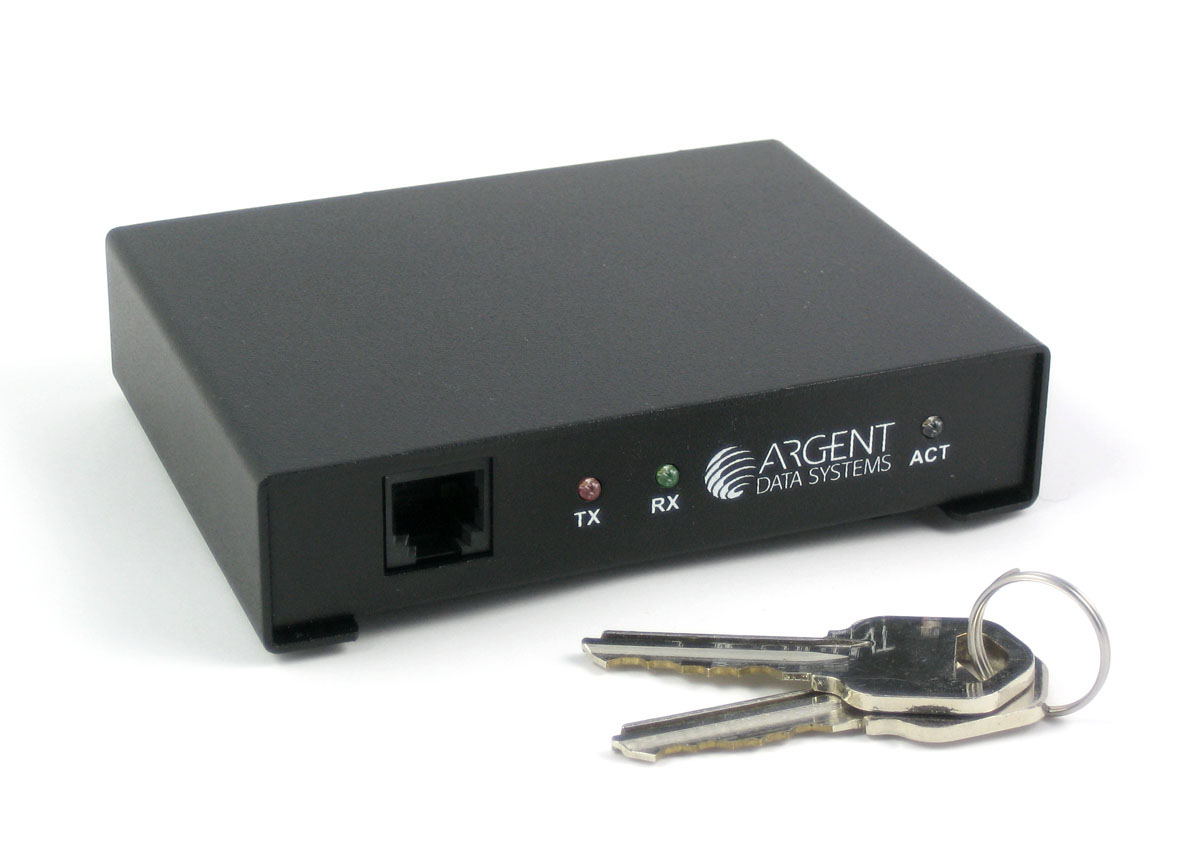
Tracker2 APRS Tracker and Digipeater
This is a great little device, it doubles as a tracker and as a digipeater, making it perfect for mobile and portable digipeaters. It can be used as a KISS TNC as well.For more information see the following
links: |
TinyTrak3Plus APRS Tracker
I use the TinyTrak3Plus for APRS tracking.For more information see this link: http://www.byonics.com/tinytrak/tt3plus.php |
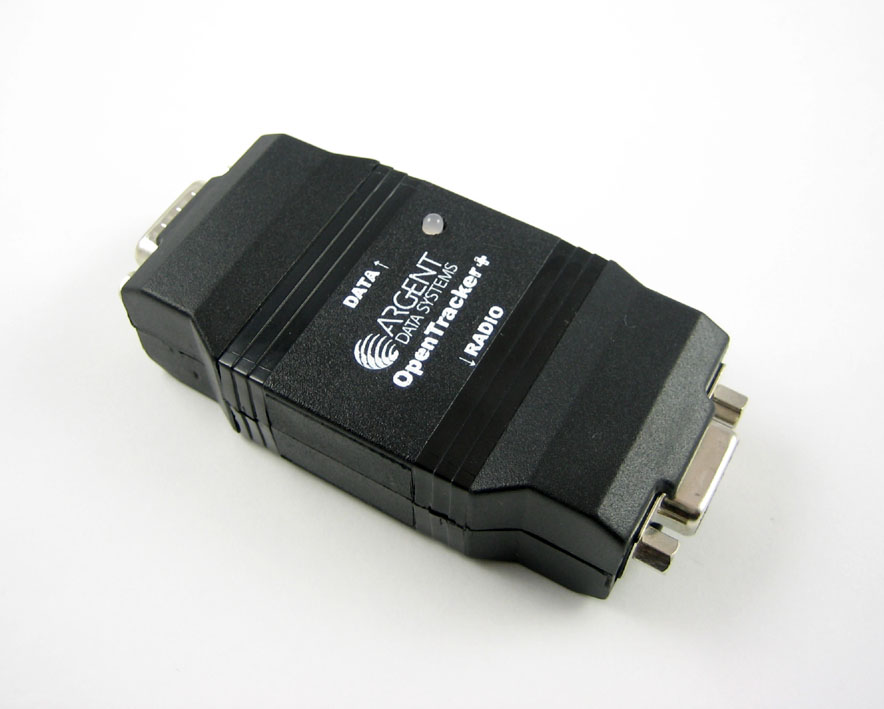
OpenTracker+ APRS Tracker
I use the OpenTracker+ for APRS tracking, I have 2 ea. OpenTracker+. The OpenTracker+ is as great little tracker, and it's actually my favourite tracker because it can output APRS stations as waypoints on my GARMIN GPSmap 60CSx GPS Receiver.For more information see this link: https://www.argentdata.com/catalog/product_info.php?cPath=22&products_id=65 |

GARMIN GPSmap 60CSx GPS Receiver
I use this GPS receiver for APRS, trekking, mountaineering, car driving and just about everything you can use an GPS receiver to do.For more information see this link: https://buy.garmin.com/shop/shop.do?cID=145&pID=310 |
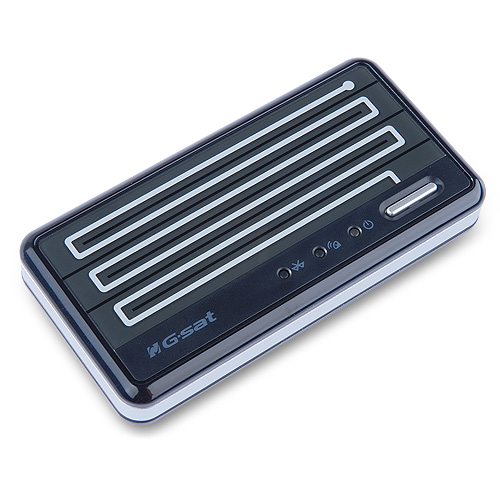
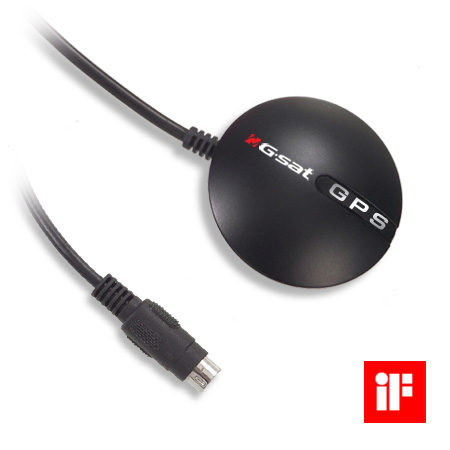
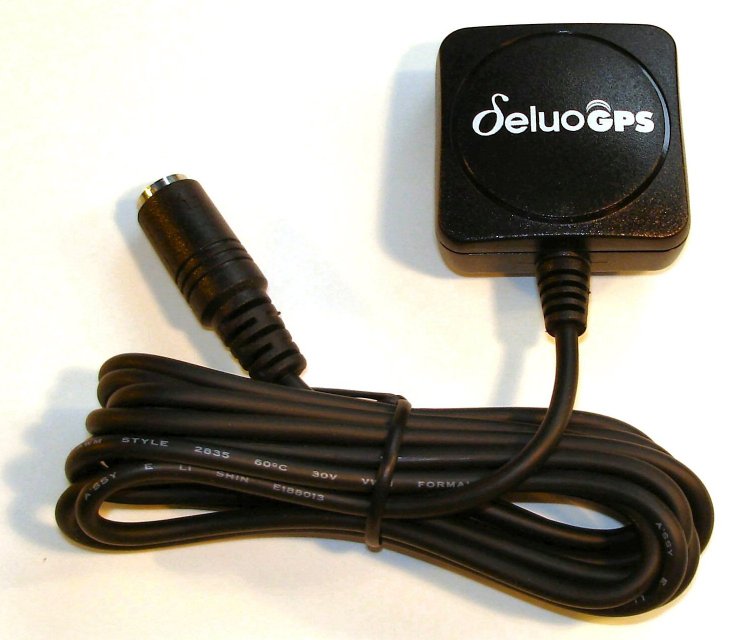
GPS Receivers
I own a little bunch of GPS receivers, most of them I use for APRS. The GPS to the left is a GlobalSat BT-359 Bluetooth GPS that I use with my laptop PC and my mobile phone. The GPS in the middle is a GlobalSat BR-355 GPS and the GPS to the right is a Deluo GPS, I use both of them for APRS. Both can also be used on my laptop PC.For more information see this links: |
Instruments and tools
Every radio amateur shack needs some tools and measuring instruments, here is a collection of some of my tools.
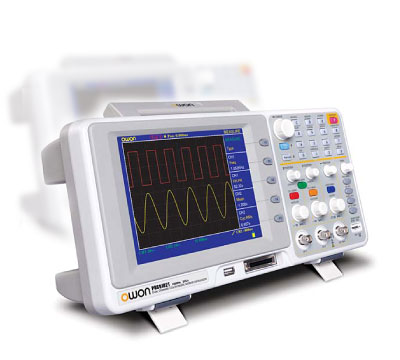
The oscilloscope is the most versatile instrument for
measuring electronic signals.
My oscilloscope is a OWON PDS8202T 200 MHz 2 GS/s.
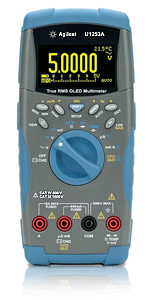
Every shack needs a multimeter, I have several multimeters, but my favourite is the Agilent U1253A.
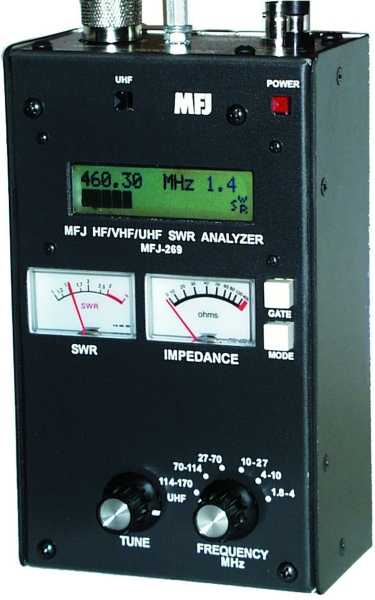
MFJ-269 HF/VHF/UHF SWR ANALYZER
This is a very versatile SWR/Antenna analyzer. This instrument is really helpful when I’m experimenting with antennas.Check out this sites for more
information about the MFJ-269 HF/VHF/UHF SWR ANALYZER:
|
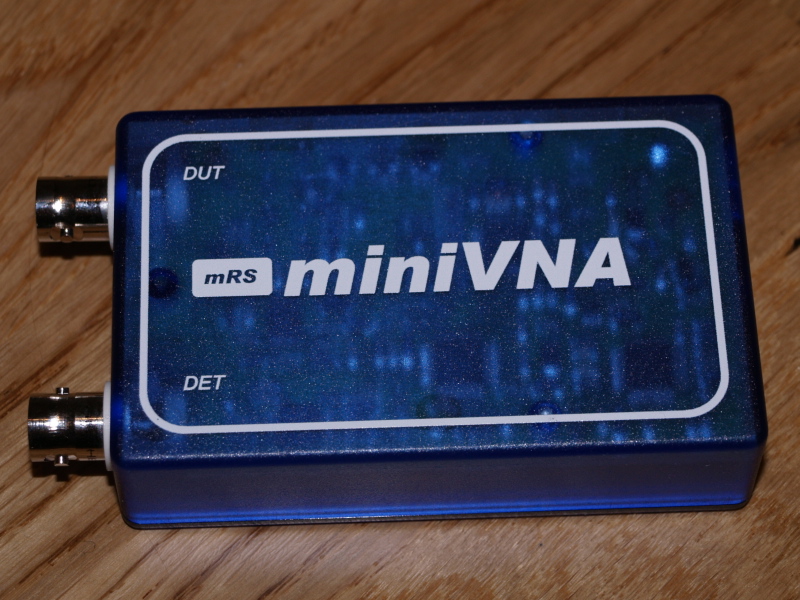

The mRS miniVNA is a handy instrument for measuring antennas, cables and filters. But the documentation is quite poor, the USB driver is unstable and the various software that are available could have been a lot better, but when it works it gets the job done.
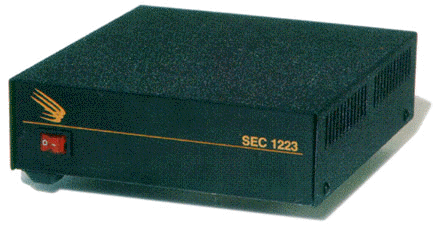
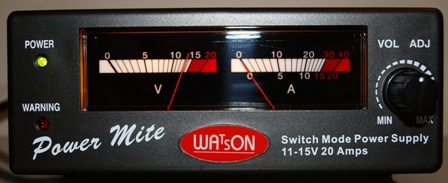
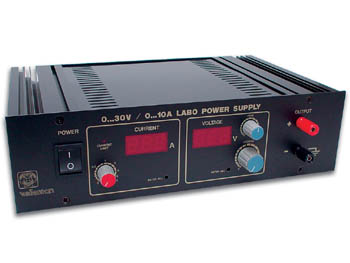
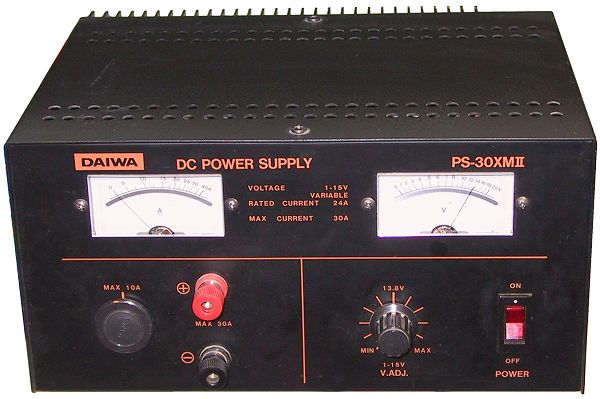
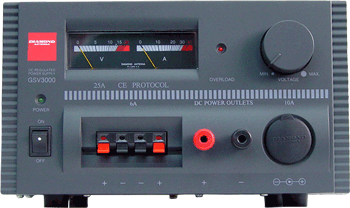
Power Supplies
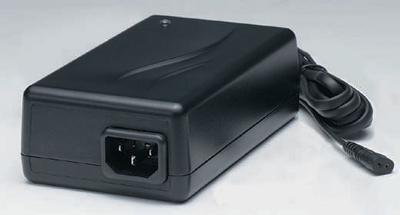
Power!! It’s always necessary with a power supply to power the amateur radio station. Above is a selection of some of the power supplies I use. The Samlex SEC 1223 is a switch-mode power supply. The SEC 1223 is excellent for powering 100 watt rigs when travelling. The Watson Power Mite is also excellent for travelling, it's smaller than the Samlex SEC 1223, and it have voltage and ampere meters as well. The Velleman K7200 is a power supply that I bought as a kit and built my self, it is a great lab power supply for all radio amateurs who like to experiment with electronics. The Daiwa PS-30XMII and Diamond GSV3000 are standard power supplies. I guess most radio amateurs have a similar power supply in their shack. |
This page was last updated 13.05.17